Source Kids Commercial Electric Train for Amusement Park, Supermarket, Market
Compare 30 kids commercial electric train options for amusement parks, supermarkets, and markets. These electric rides feature customizable tracks, varying capacities, and CE certifications to suit diverse commercial needs.
Key considerations
Products List


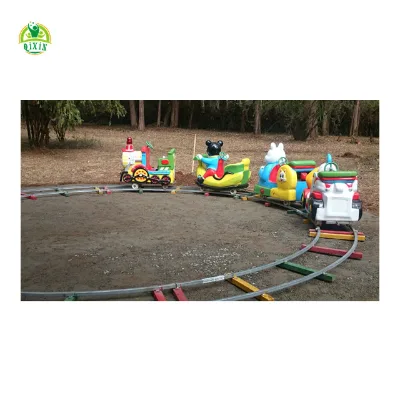


New London Style 20 Seats Tourist Train Kids Outdoor Rides Electric Train
$10000.00 - $30000.00
Moq: 1


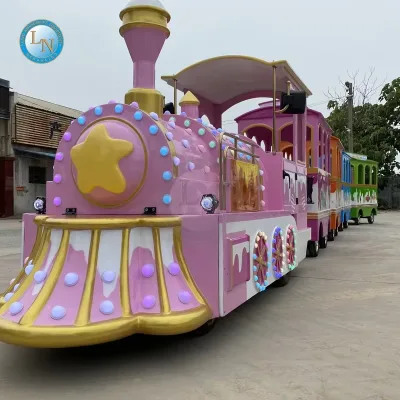


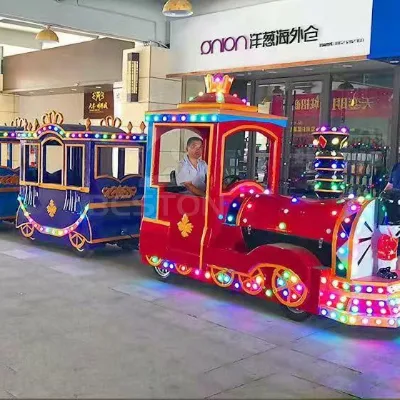

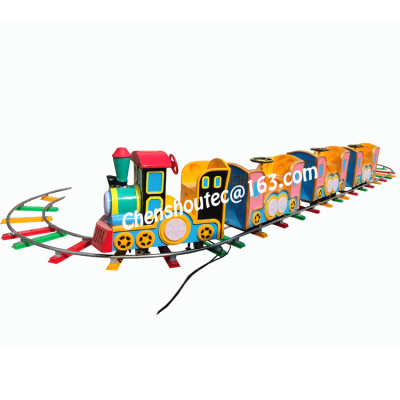


Comprehensive Sourcing Guide
Strategic Sourcing Guide for Commercial Kids Electric Trains
Understanding the Product Category and Technical Specifications
When sourcing a commercial electric train for children, buyers must first distinguish between general amusement rides and specialized kiddie rides designed for specific age groups and environments. The core product category encompasses electric trains intended for amusement parks, markets, and indoor or outdoor recreational facilities. These units are typically classified as "Kiddie Rides" and are engineered to operate within specific safety parameters while delivering an engaging experience for young passengers.
The technical architecture of these trains varies significantly based on the model and intended application. A primary observation in the current market is the prevalence of electric propulsion systems operating on standard input voltages, such as 220V, which are then converted to lower output voltages like 24V for safe operation. This voltage conversion is critical for ensuring the safety of children who may interact with the vehicle. The physical dimensions of the train are equally variable; some models feature a track diameter of 6 meters, while others offer fully customized track sizes to fit specific venue layouts.
Capacity and seating arrangements are fundamental technical constraints that define the operational efficiency of the ride. Observed configurations include carriages with a specific count, such as four carriages, providing a total seating capacity of up to 14 seats per unit. The weight of the unit itself is a significant logistical factor, with observed weights ranging from approximately 250 kilograms to over 400 kilograms depending on the model and build quality. For instance, specific models like the BJ-ET29 and BJ-ET36 demonstrate these variations in weight and capacity. The allowable passenger capacity is often listed as greater than 500kg for larger units, while others may support a range of 100 to 500kg.
Operational speed is another key specification that influences the user experience. Typical performance data indicates a speed of 5 to 8 rounds per minute, ensuring a gentle and controlled ride suitable for the target demographic. The target age range is consistently observed to be between 3 and 18 years, with some specific models narrowing this focus to children aged 3 to 13 years. This variation suggests that buyers must carefully match the technical specifications of the train to the specific age profile of their intended customer base.
Compliance, Certification, and Safety Standards
In the commercial amusement ride industry, compliance with international and regional safety standards is not merely a regulatory formality but a fundamental requirement for liability management and operational continuity. When evaluating potential suppliers, buyers must verify that the equipment meets recognized certification benchmarks. The most frequently observed certifications in the market include CE (Conformité Européenne), which indicates compliance with health, safety, and environmental protection standards for products sold within the European Economic Area.
Beyond CE, other critical certifications such as ASTM (American Society for Testing and Materials) and SGS (Société Générale de Surveillance) are often cited. The presence of UL (Underwriters Laboratories) certification is also a strong indicator of electrical safety compliance, particularly for markets in North America. It is important to note that while some product listings mention ISO9001, this is a quality management system standard for the manufacturer rather than a direct product safety certification. Buyers should prioritize product-specific certifications like CE, ASTM, and UL over general management system standards.
The verification process should extend to the specific model numbers, such as BJ-ET03, BJ-ET12, or BJ-B07, to ensure that the certification applies to the exact configuration being purchased. Some suppliers may list certifications broadly, but the actual safety of the unit depends on rigorous testing of the specific components, including the electrical system, structural integrity, and braking mechanisms. The "Allowable Passenger" rating often includes a certification reference, suggesting that the load capacity has been validated against specific safety thresholds.
Buyers must also be aware of the distinction between "New" condition units and refurbished equipment. The market data indicates a strong preference for new units, which typically come with a full warranty and unverified safety history. The condition of the product is a critical factor in compliance; a new unit ensures that all safety features are intact and have not been compromised by previous wear and tear. Furthermore, the origin of the product, often cited as China or specifically Henan, does not inherently dictate quality, but it does require buyers to scrutinize the specific manufacturer's track record and the validity of the certifications provided for that region.
Cost Drivers and Pricing Dynamics
The pricing of commercial electric trains is influenced by a complex interplay of factors, including customization, material quality, certification levels, and logistical requirements. The observed price range in the market is exceptionally broad, spanning from approximately 3.3 USD to 50,000 USD. This wide variance indicates that the base cost of a standard unit is significantly different from the cost of a fully customized, high-capacity installation.
The primary driver of cost is the level of customization. While standard models may be available at lower price points, the ability to customize the track diameter, color schemes, and seating arrangements adds substantial value and cost. For instance, a train with a customized track size or specific color options will command a higher price than a standard off-the-shelf unit. The weight of the unit also correlates with cost; heavier units with higher capacity (e.g., >500kg) generally require more robust materials and engineering, leading to a higher price point.
Logistics and shipping terms are another significant cost component. The observed shipping methods include sea and air transport, with terms varying by supplier. Sea freight is typically more economical for large, heavy units but involves longer lead times, while air freight offers speed at a premium. The packaging method, whether a standard export package or a wooden box, also impacts the final cost, as specialized packaging is required to protect the unit during international transit.
Payment terms, such as bank transfers or Western Union, and the minimum order quantity (MOQ) also play a role in the financial dynamics. The MOQ is observed to be as low as 1 set for many suppliers, which lowers the barrier to entry for smaller operators. However, buyers should be aware that ordering a single unit may not always yield the most favorable unit price compared to bulk orders, even if the MOQ is low. The warranty period, often cited as 2 years, is another factor that influences the total cost of ownership, as a longer warranty may indicate higher manufacturing quality but could also be reflected in the initial purchase price.
Typical Applications and Venue Suitability
Commercial electric trains are versatile assets designed for a wide array of venues, each with unique operational requirements. The primary application areas include amusement parks, where the trains serve as a major attraction for families and children. In these settings, the trains are often used for outdoor rides, requiring robust construction to withstand various weather conditions. The suitability for outdoor environments is a key specification, with many models explicitly designed for outdoor use.
Beyond amusement parks, these trains are increasingly popular in supermarkets, markets, and shopping malls. In these indoor or semi-indoor settings, the trains provide entertainment for children while parents shop, creating a unique value proposition for retail operators. The "Supermarket" suitability is a specific application noted in the market data, highlighting the adaptability of these units to commercial retail spaces. The indoor ride capability ensures that the trains can operate in controlled environments with consistent lighting and temperature, which may extend the lifespan of the equipment.
The age appropriateness of the train is a critical consideration for venue selection. Models targeting the 3-18 year age range are suitable for large amusement parks, while those focused on the 3-13 year range may be better suited for smaller venues or specific children's zones within larger facilities. The track size, whether a fixed 6-meter diameter or a customized layout, must align with the available space in the venue. For example, a supermarket with limited floor space may require a compact, customized track design, whereas an amusement park can accommodate larger, circular tracks.
The volume of the unit, observed at 8 cubic meters for some models, is another factor that influences venue suitability. Larger units require more space for installation and operation, making them ideal for expansive outdoor parks. Smaller units with lower volumes may be more appropriate for indoor venues where space is at a premium. The versatility of these trains allows them to be deployed in diverse settings, from public parks to private events, provided the venue meets the necessary safety and spatial requirements.
Supplier Evaluation and Quality Assurance
Selecting the right supplier is a critical step in the procurement process, requiring a thorough evaluation of their capabilities, reputation, and quality control measures. Buyers should prioritize suppliers who provide clear documentation of their manufacturing processes and quality assurance protocols. The observation of specific model numbers, such as BJ-ET29 and BJ-ET36, suggests that suppliers have established product lines with consistent specifications. However, buyers must verify that the specific unit they are purchasing matches these documented specifications.
Quality control should be a central focus during the supplier evaluation process. Buyers should inquire about the manufacturer's testing procedures, including electrical safety tests, structural integrity checks, and load-bearing capacity validations. The presence of certifications like CE, ASTM, and UL is a positive indicator, but buyers should request test reports to confirm that the specific unit has undergone rigorous testing. The warranty period, typically 2 years, is another metric of supplier confidence; a longer warranty may indicate a higher level of trust in the product's durability.
The supplier's location, often cited as China or Henan, should be considered in the context of their logistical capabilities and communication efficiency. While the origin does not determine quality, it influences lead times and shipping costs. Buyers should assess the supplier's ability to handle international shipments, including the provision of appropriate packaging and documentation. The shipping method, whether by sea or air, should be discussed in detail to ensure that the unit arrives safely and on time.
Transparency in the supplier's operations is also essential. Buyers should look for suppliers who are willing to provide detailed information about their production process, material sourcing, and quality control measures. The ability to customize the product, as noted in the market data, is a sign of a flexible and customer-focused supplier. However, buyers must ensure that customization does not compromise the safety or quality of the unit. The condition of the product, specifically "New," should be confirmed to avoid receiving refurbished or used equipment.
Long-Term Procurement and Operational Considerations
Procuring a commercial electric train is a long-term investment that requires careful consideration of maintenance, operational costs, and future scalability. The warranty period, typically 2 years, provides a baseline for support, but buyers should plan for ongoing maintenance beyond this period. Regular inspections, lubrication of moving parts, and electrical system checks are essential to ensure the continued safety and performance of the ride.
The customization options available, such as color and track size, offer opportunities for branding and integration with the venue's theme. However, buyers should consider the long-term implications of customization, such as the availability of replacement parts and the ease of future modifications. The ability to customize the train allows for a unique user experience, but it may also complicate maintenance if non-standard parts are used.
The operational environment, whether indoor or outdoor, will significantly impact the longevity of the equipment. Outdoor units require more frequent maintenance to protect against weather-related wear and tear. Buyers should invest in protective measures, such as covers or sheltered areas, to extend the lifespan of the ride. The speed and capacity of the train should be monitored to ensure they remain within safe operating limits, and any deviations should be addressed immediately.
Finally, buyers should consider the scalability of their procurement strategy. While the MOQ may be as low as 1 set, expanding the fleet may require additional coordination with the supplier. Buyers should establish a long-term relationship with a reliable supplier who can support future expansions and provide consistent quality. The payment terms, such as bank transfers or Western Union, should be structured to protect the buyer's interests while ensuring the supplier receives timely payment. By focusing on these long-term considerations, buyers can ensure a successful and sustainable operation of their commercial electric train.
FAQs
What certifications do kids commercial electric trains have?
Most units carry CE certification, with some models also holding ASTM, UL, and SGS marks. Buyers should verify that the specific model number matches the listed certifications to ensure compliance with regional safety standards.
Can I customize the track size and color of the train?
Customization is available for track diameter and color schemes to fit specific venue layouts. Standard options include a 6-meter diameter track, but buyers can request fully customized dimensions and color variations.
What is the minimum order quantity for these rides?
The minimum order quantity is typically 1 set for most suppliers. This low barrier allows smaller operators to purchase a single unit without needing to meet bulk order requirements.
How much weight can the train carry per ride?
Allowable passenger capacity varies by model, ranging from 100 to 500 kilograms or exceeding 500 kilograms for larger units. Specific models like the BJ-ET29 support capacities over 500kg.
What is the warranty period for commercial electric trains?
The standard warranty period is 2 years for new units. This coverage ensures protection against manufacturing defects and provides peace of mind for operators investing in long-term equipment.
Which age group is suitable for these electric trains?
The suitable age range is generally 3 to 18 years, with some models targeting children aged 3 to 13 years. Buyers should select units based on the specific age profile of their intended customers.
What is the input voltage for the electric train system?
The input voltage is typically 220V, which is converted to a safe 24V output for operation. This voltage conversion ensures the safety of children interacting with the vehicle during the ride.